I developed Biscuit Burglar solo as part of a game jam over the course of a week using Unity. The game is simple, get as many biscuits as possible before being caught by Wilfred the cat — the theme being ‘Risk it for the biscuit’.
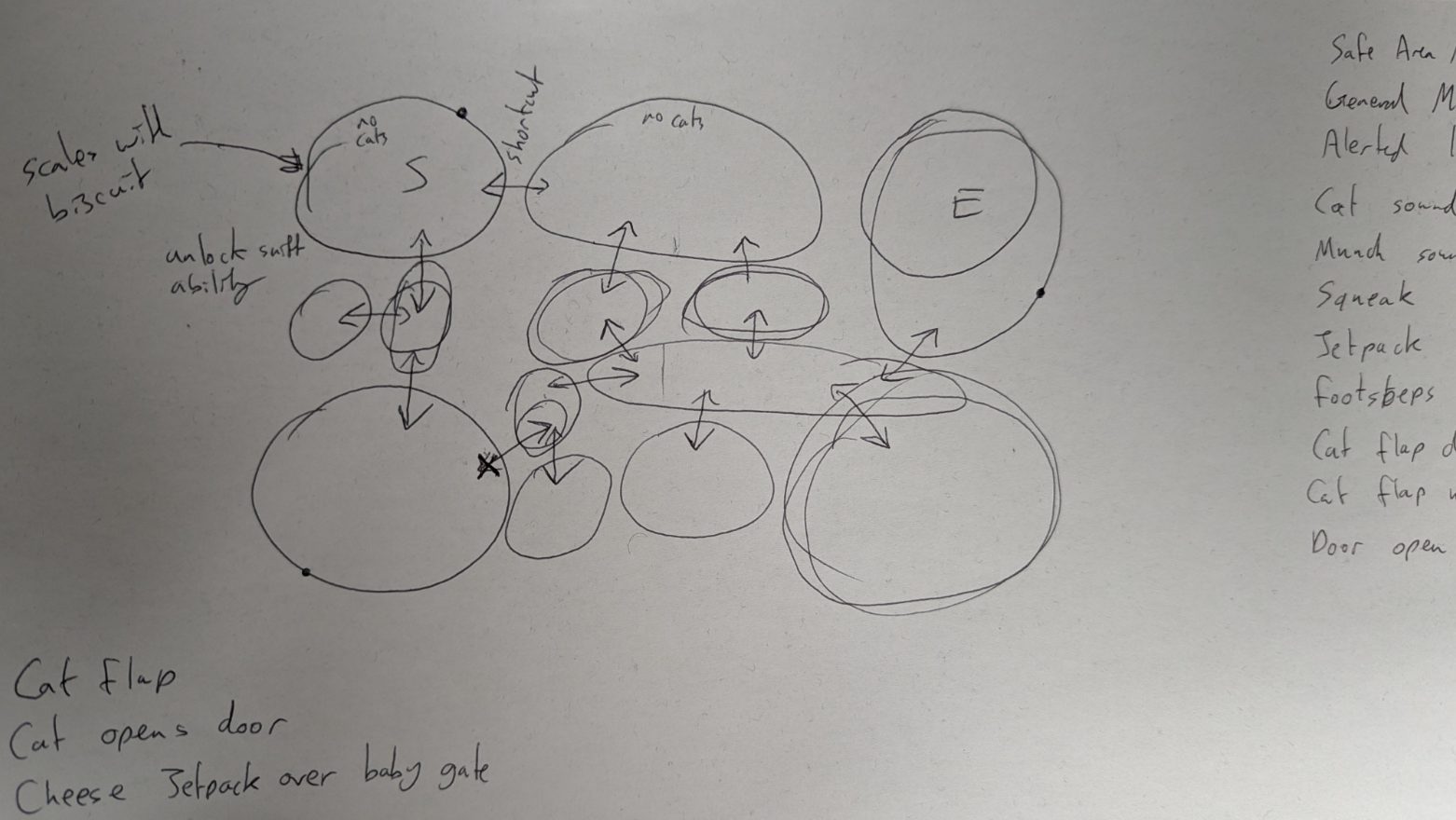
I spent the first day brainstorming, with a lot of loose ideas floating around, but the concept of playing as a rat stealing a cat’s biscuits quickly stood out as the most fun. At first, I considered creating all the art myself, but between having a full-time job and not being much of an artist, I decided to rely on asset store content instead.
What Went Right
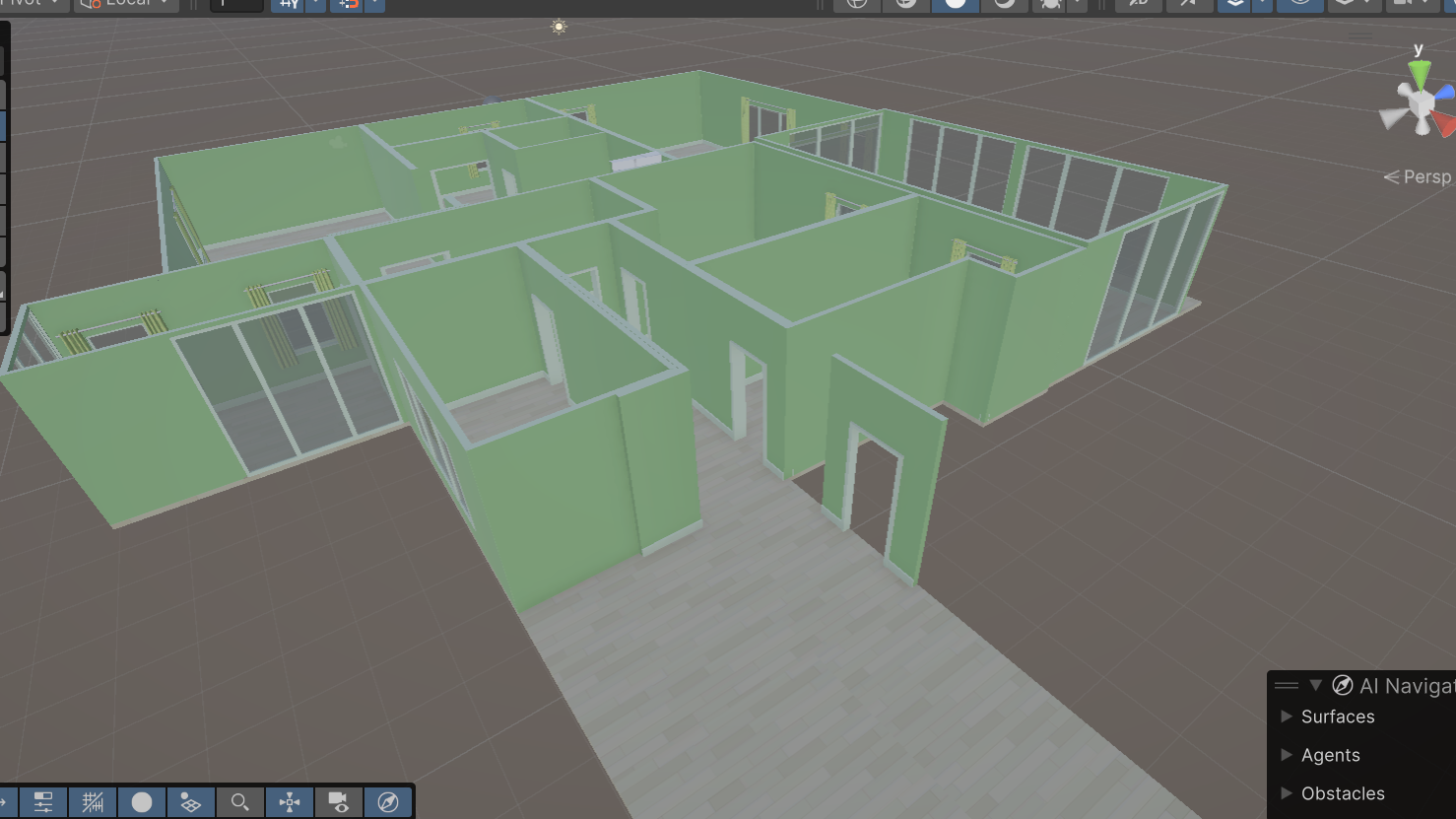
Using asset store content was crucial in saving time. One of the assets I picked up was a modular house pack, which was perfect for my needs. I had originally tried making my own modular assets, but it didn’t work out so great on account of it being my first attempt.
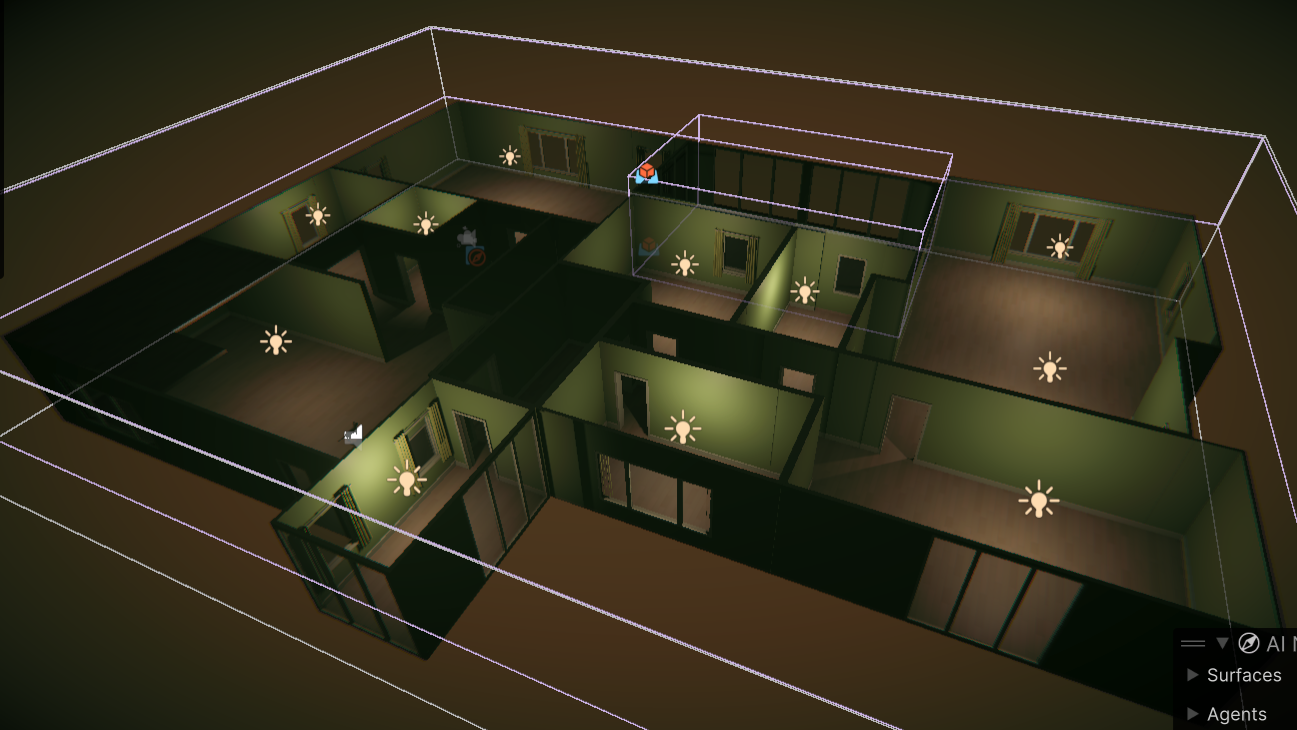
Relying on premade assets did shift the game’s vibe. I had imagined something light and cartoony, but the assets gave it a darker, almost horror-like feel. Surprisingly, this worked in the game’s favour—it gave the experience an unexpected edge that I grew to like.
Another win was recognising when I had overscoped. Midway through the jam, I trimmed things back and focused on the essentials: playing as a rat stealing the cat’s biscuits while avoiding the cat. Cutting out the extra level design features was tough, but it allowed me to finish on time.
What Went Wrong
When the theme was first announced, I hit a creative brick wall. I thought idea generation would have come more easily, but I struggled more than expected, and it ended up eating into precious time.
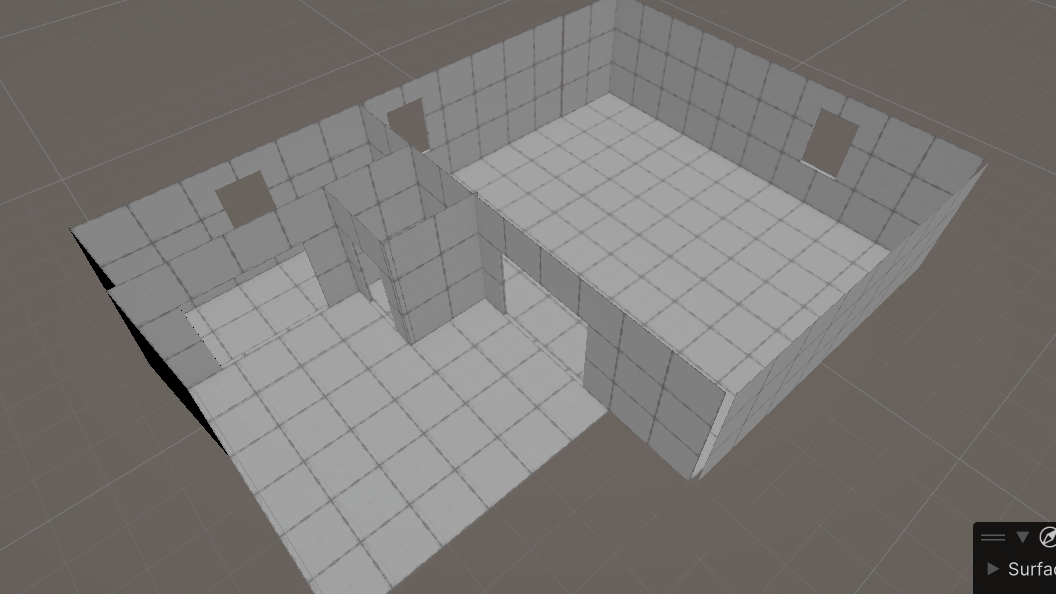
Once I finally settled on an idea, I overscoped. I put too much focus on level design, only to cut much of it later due to time constraints. I spent two to three days building the level that made it into the game, but since greyboxing was fairly new to me, I made plenty of mistakes along the way. Fixing those missteps soaked up even more time.
On top of that, I hadn’t touched Unity in a while, so I was rusty. I’d completely forgotten about the newer input and UI systems, which meant I had to relearn them on the fly.
What I Learned
I realised I spent too much time on design when I could have been developing in parallel. Next time, I’ll try to balance both so progress feels steadier.
Preparation was another lesson. Having been away from Unity, I lost time relearning the newer systems. A short warm-up before the jam would have saved me a lot of frustration.
On the positive side, I really enjoyed the greyboxing process, despite several hiccups at the start. But I am eager to take those skills to the next level.
Lastly, I learned that even a ‘small’ game can spiral if the scope isn’t kept in check. I ended up spending more time on level design than on polishing the core loop, which was where the real fun of the game lay.
Final Thoughts
The jam was a valuable and eye-opening experience. It challenged me more than I expected, but in a way that pushed me to grow as a developer. I’d definitely recommend giving a jam a go to anyone looking to sharpen their skills, test their creativity under pressure, or just try something new.
I was proud to have finished the jam, even if the game itself felt a little bare. The important part was pushing through the hurdles and completing something. I’m excited to carry these lessons forward and see how much further I can go in future jams.
 Stefan Yeung
Leave a comment