
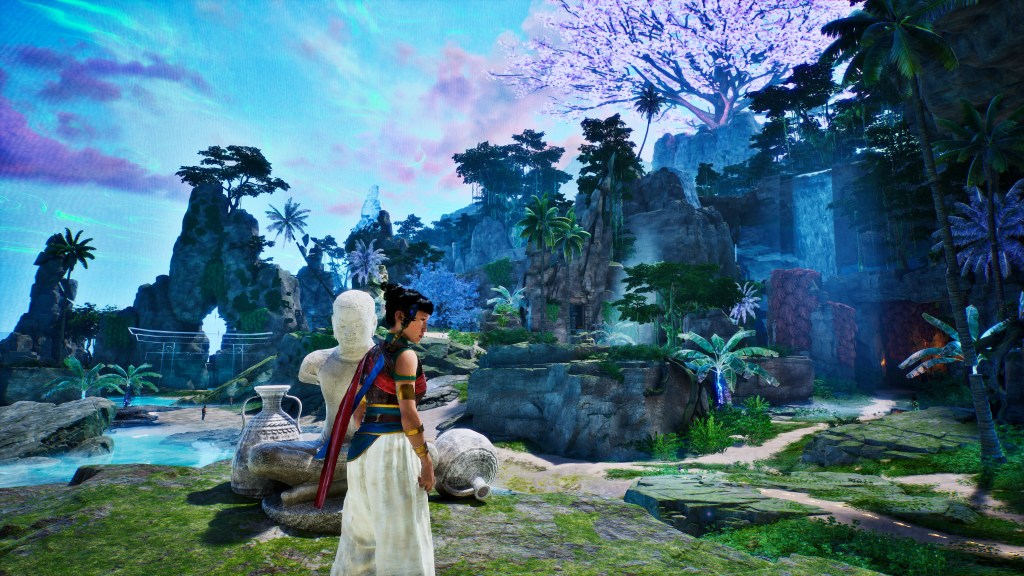
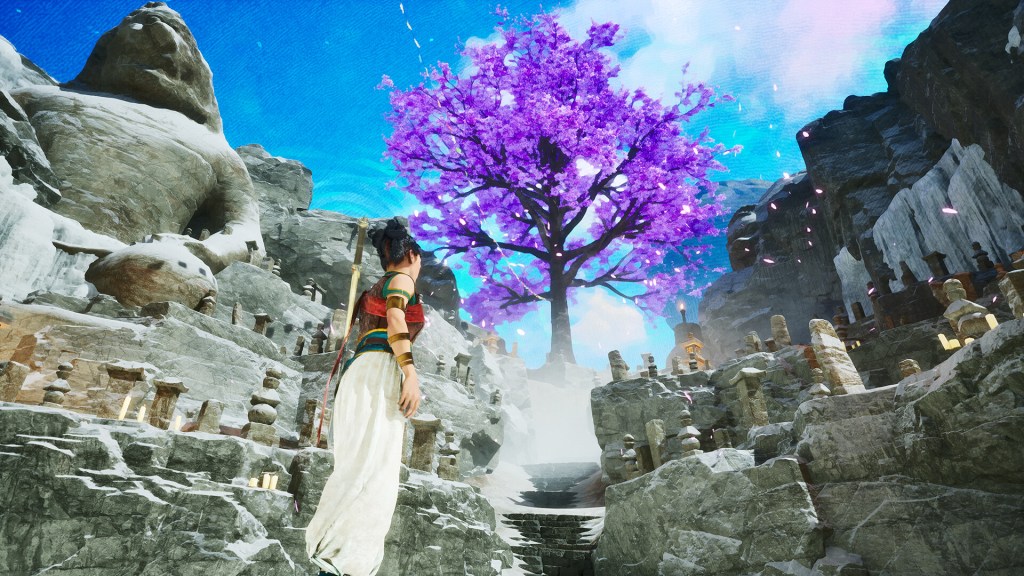
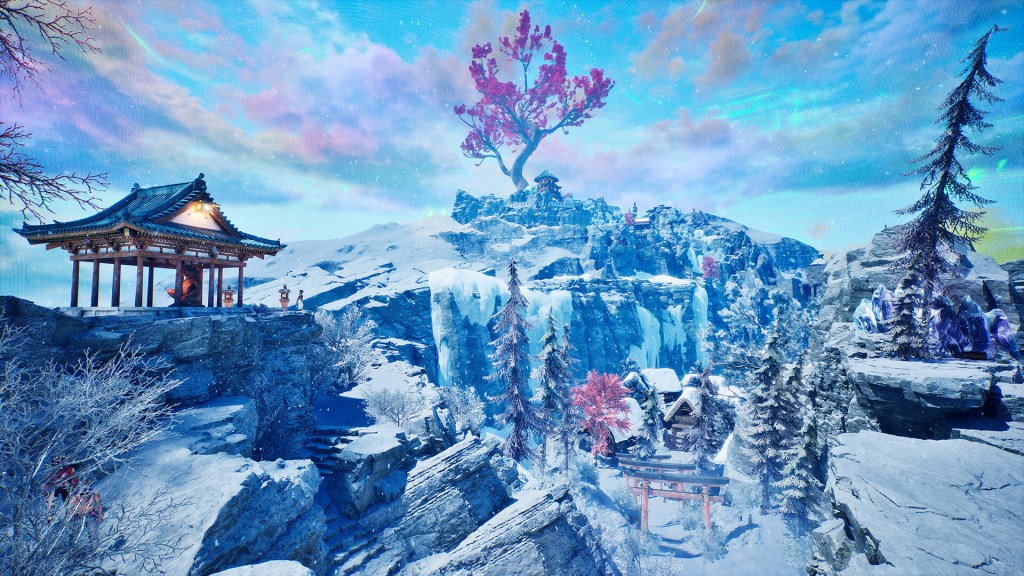
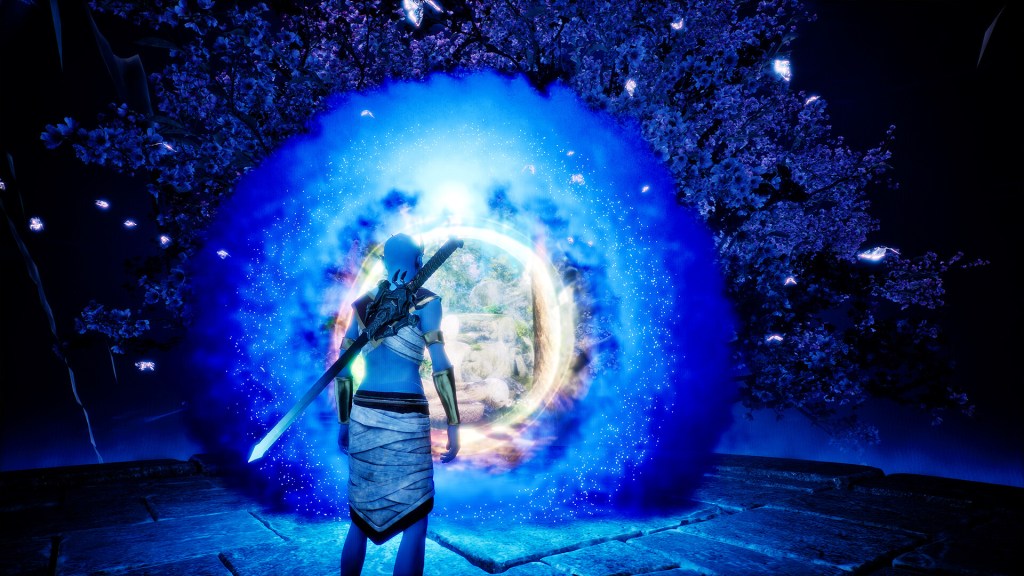
Samsara is a Buddhist-themed soulslike exploring death and reincarnation. During my time on the project as lead programmer, I contributed to core systems and collaborated closely with designers and other programmers to bring the game’s mechanics and enemies to life.
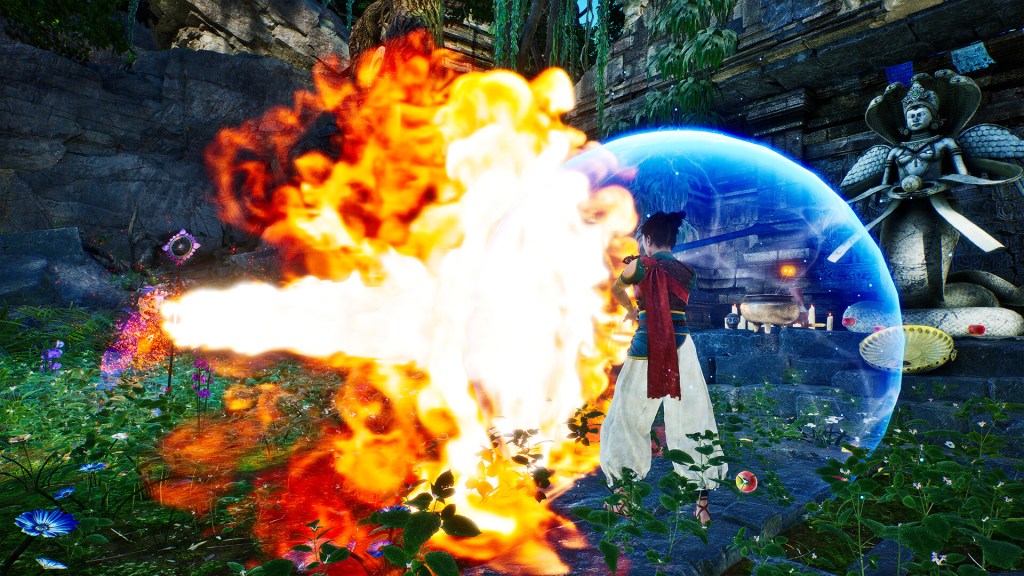
I worked heavily on core combat, fine-tuning parry and dodge windows, and designing the stats system to link each primary attribute to an element. I also helped implement the focus system, rewarding skilled play with inspiration drawn from Guitar Hero. In addition, I created the initial spell system and first spell template, and designed the health and focus switching mechanics, inspired by Diablo’s mana shield.
I developed many of the game’s enemies and bosses and established the enemy pipeline to streamline content creation, including the prototype boss “Burning Horror”. On the visual side, I implemented the first iteration of the final quickslots with multiple UI animations and integrated the Kuwahara shader in a way that preserved close-up detail while affecting distant visuals.
At various points, I took on Scrum Master responsibilities, contributing to backlog management, release planning, and pitching new ideas to the team. I also introduced and implemented soft references to reduce memory usage, improving runtime performance across a range of hardware, and guided junior programmers through debugging and refactoring complex systems to maintain code quality during fast-paced development cycles.
The project began in Unreal Engine 4.24 and was later upgraded to 5.2, and subsequently to 5.4. We used Blueprints for rapid iteration, while moving performance-critical systems into C++. For source control, we relied on P4V alongside Unreal GameSync, and for project management and planning we used Hansoft and Miro.
Samsara is currently in active development. A playable demo is available, and the game has launched in Early Access on the Epic Games Store. A full release on Steam is planned in the near future.
This was my first project where we implemented Scrum extensively, giving me hands-on experience with structured agile workflows in a game development context. I learned to differentiate between the stages of development, understanding which tasks belong in pre-production versus post-production, and how planning early can save time and reduce rework later. I also gained experience in backlog management, sprint planning, and prioritisation, and saw firsthand the importance of regular stand-ups and clear communication for keeping a team aligned. One key takeaway was that investing more time in pre-production would have further streamlined development and improved efficiency across the team.



 Stefan Yeung