
During my third year of university, I took a sandwich year to work at a local indie development studio, led by one of my lecturers. On the first day, we were assigned to a new game project, paired together due to limited office computers.
We began rapid prototyping in Unity, initially struggling as VR was new to both of us. After a couple of days, we figured out how to get builds running on the available Vive headset. VR presented unique challenges compared to standard games, and we quickly learned how much attention was needed to get even simple mechanics feeling right.
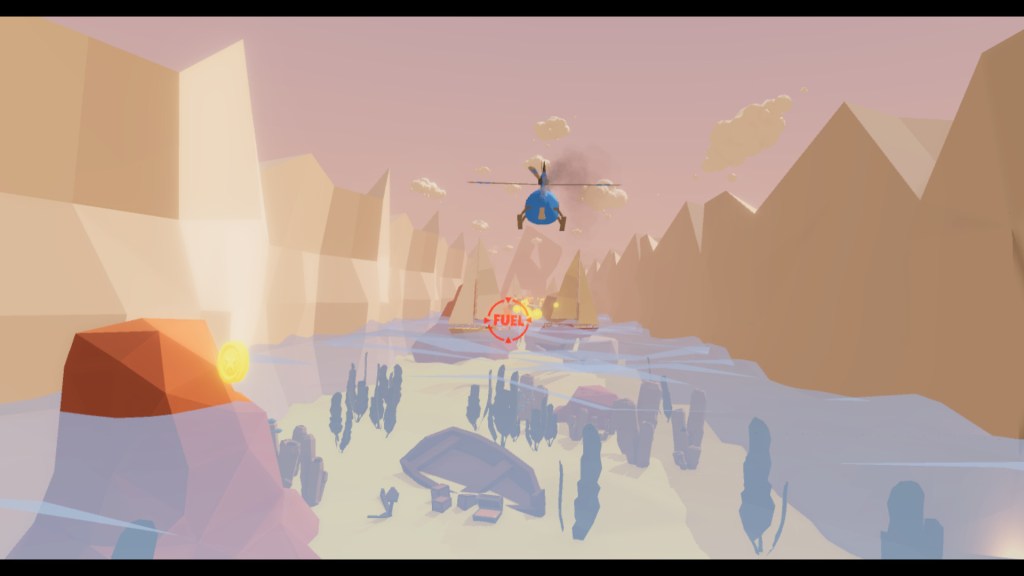
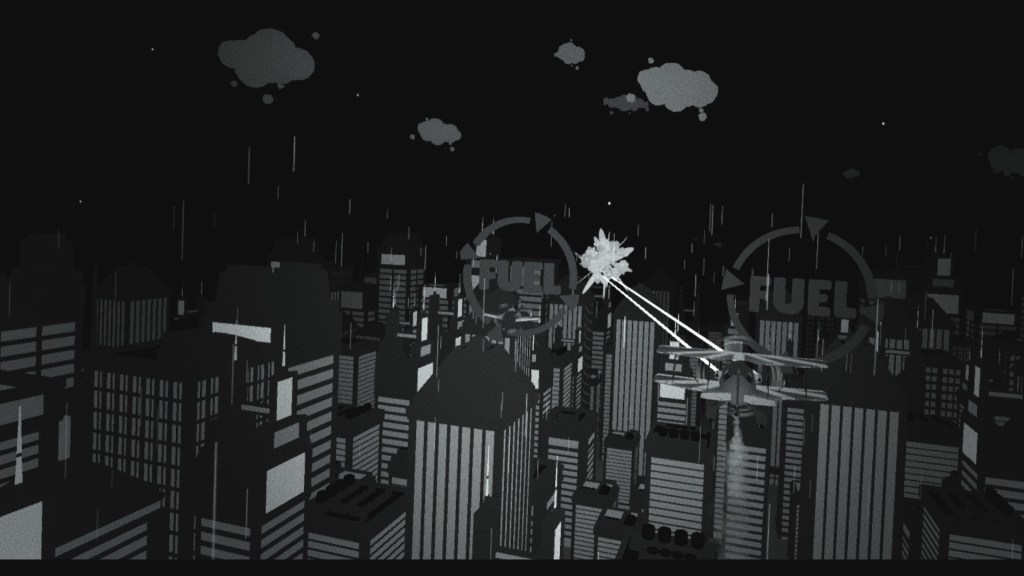
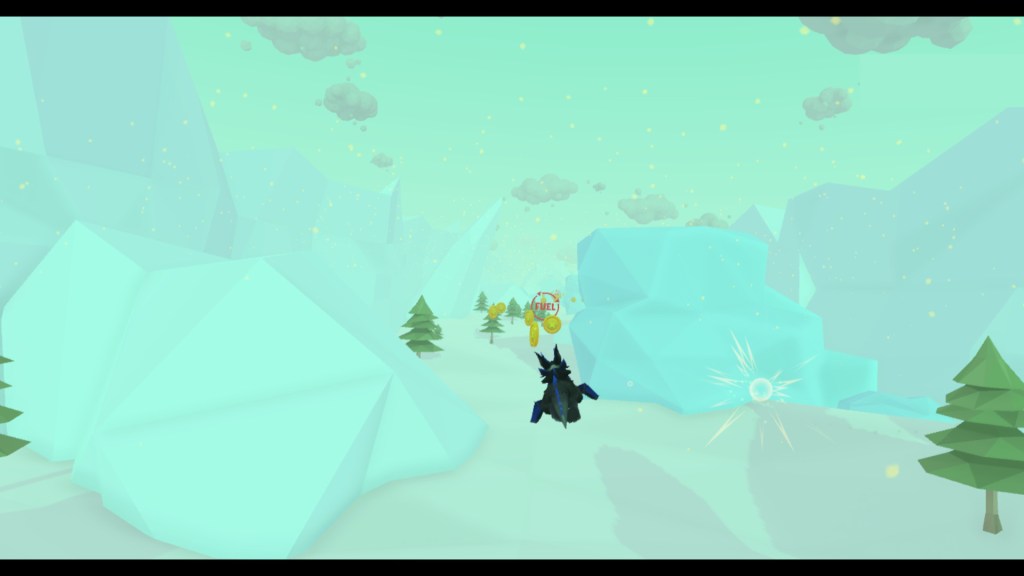
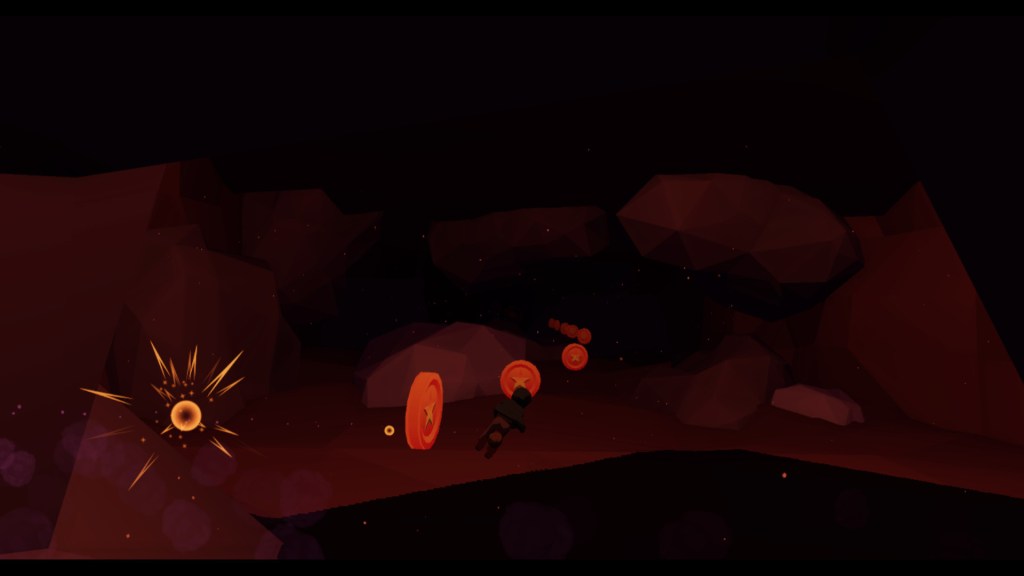
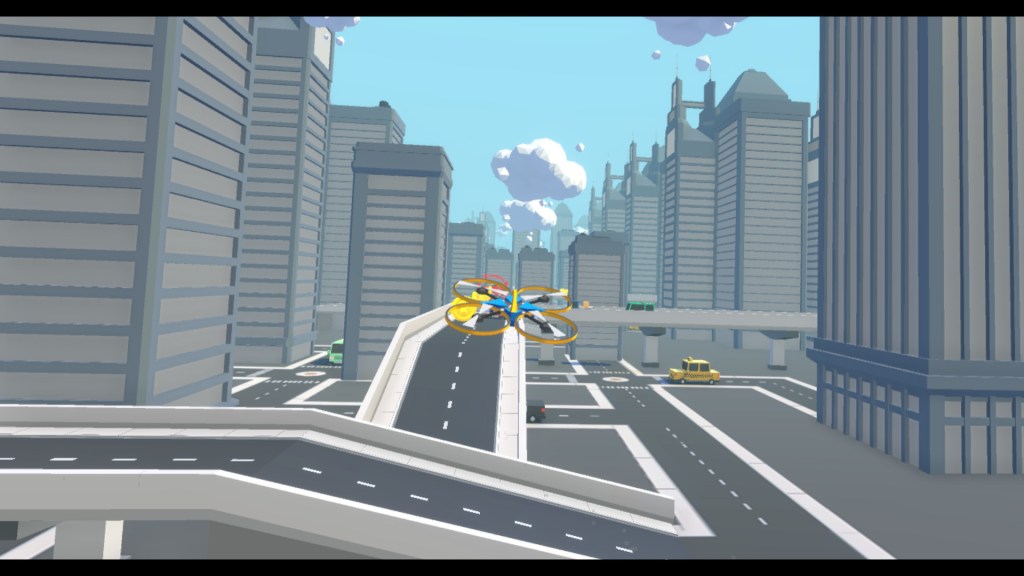
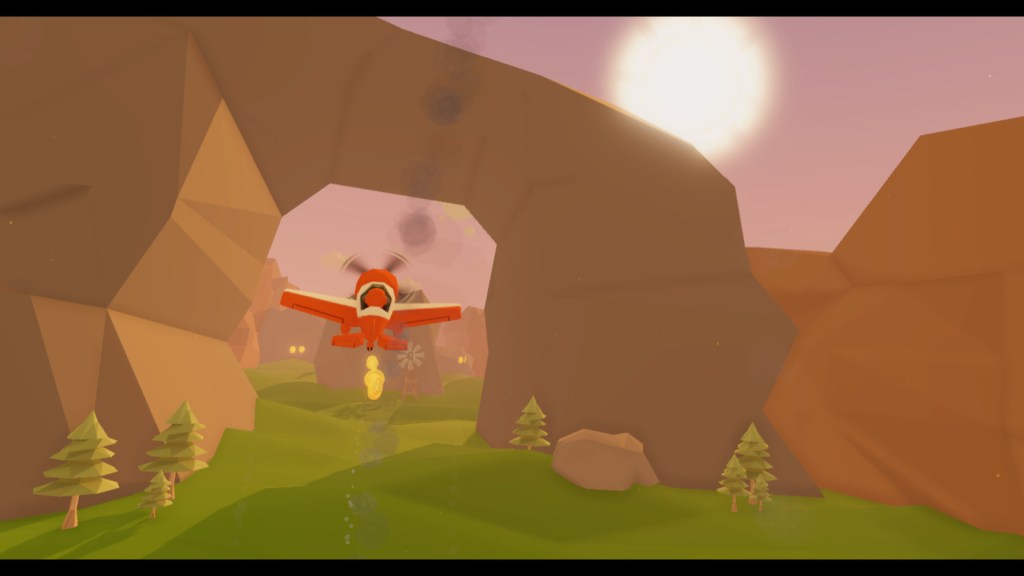
Once Wacky Wings was up and running, performance issues emerged during longer playtests. Memory allocation problems led us to implement the Object Pool pattern: all game tiles were loaded into a single pool on launch, with dynamic additions as needed, and then enabled or disabled as required. This solved the performance issues and kept the game running smoothly.
The first-person mode presented another challenge, as VR allowed free movement. Switching perspectives didn’t always place the player in the correct position, but by working through the maths together, we calculated a reliable method to maintain player positioning and immersion.
 Stefan Yeung